
Why luck matters: The role of chance in casino success
The Nature of Chance in Gambling
Chance is an integral component of the gambling experience, particularly in casinos, where games are designed to have an element of unpredictability. Unlike most traditional forms of entertainment where skill plays a pivotal role in the outcome, gambling results are often dictated by random events. This randomness can manifest itself through card shuffles, roulette wheel spins, or the roll of dice, creating an environment where outcomes fluctuate widely. Many players also explore various strategies like using betting apps to enhance their overall experience and manage their expectations effectively.
In many casino games, the concept of probability governs the chances of winning or losing. Although players can utilize strategies in certain games, such as poker or blackjack, they cannot eliminate the inherent randomness that exists. Even the most seasoned gambler acknowledges that luck can turn the tide at any moment, transforming a losing streak into a rewarding windfall. By grasping the dynamic between skill and chance, players can approach their gaming sessions with excitement and realism, setting the stage for a more enjoyable experience.
Moreover, the unpredictability inherent in games of chance can create a thrilling atmosphere. The anticipation of waiting for a card to be drawn or a slot machine to reveal a winning combination injects a sense of excitement, driving the overall experience of gambling. This emotional rollercoaster is what ultimately keeps players returning to casinos, despite the awareness that luck is often their most significant ally. Embracing the element of chance is vital, as it enables players to appreciate both the highs and lows of gambling, enriching their overall experience.
The Psychological Impact of Luck in Casino Games
Luck plays a fascinating psychological role in how players perceive their success at casinos. The belief in luck can influence a player’s behavior, from the decisions they make at the gaming table to their overall enjoyment of the experience. Many gamblers develop personal rituals or superstitions, convinced that these behaviors can sway luck in their favor. For instance, some may wear a particular piece of clothing or engage in specific actions before betting, seeking to enhance their perceived luck. This psychological connection between luck and behavior highlights how deeply intertwined gambling is with personal beliefs.
The phenomenon of ‘confirmation bias’ also shapes how players interpret outcomes based on luck. Individuals may remember their winning moments more vividly than their losses, reinforcing the belief that they are lucky or skilled. This mindset can lead to an overstated sense of confidence, resulting in riskier betting behaviors. Players may continue to wager larger sums, convinced that the next roll or spin may yield fortune, despite statistical evidence suggesting otherwise. This illustrates how the perception of luck can impact financial decisions and ultimately one’s success in the casino environment.
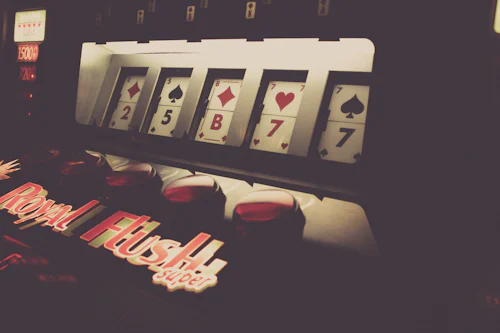
Furthermore, the emotional highs and lows tied to luck can create a rollercoaster of experiences for players. Winning can evoke feelings of euphoria and confidence, while losses can lead to frustration and disappointment. This emotional engagement is a major part of what makes gambling appealing. Despite the ups and downs, the hope of hitting a lucky streak keeps the adrenaline pumping and encourages players to chase the thrill, which is a significant aspect of why they find themselves in casinos in the first place. The psychological interplay of luck adds layers to the gambling experience that can be both exhilarating and challenging.
Strategies for Maximizing Luck in Casinos
While luck is often considered an uncontrollable variable in gambling, players can adopt various strategies to enhance their overall experience. One approach is to select games that offer better odds, allowing players to maximize their chances of encountering favorable outcomes. For instance, blackjack and video poker often present better returns compared to other casino games. Although these games still involve luck, understanding the statistical advantages can help players feel more empowered in their decision-making while gambling, making them feel more in control of their gaming experience.
Another strategy involves bankroll management, which is crucial for all casino-goers. Setting strict limits on how much to wager and knowing when to walk away can help players navigate the unpredictable nature of luck. By establishing boundaries, gamblers can protect themselves from the emotional repercussions of chasing losses. The concept of walking away while ahead or limiting losses can significantly alter the gambling experience, allowing players to maintain a healthier relationship with chance and their overall gaming endeavors. This aspect of planning is essential for sustaining enjoyment in the long run.
Additionally, players can enhance their luck through social interactions. Engaging with fellow gamblers or participating in group gaming can create a communal atmosphere that amplifies the excitement. Shared experiences often foster positivity, which can inadvertently heighten the perception of luck. Whether through laughter or shared rituals, the social aspect of gaming can significantly influence how players view their luck and the outcomes of their games. By surrounding themselves with others who share similar interests, players can cultivate a more enjoyable and supportive gaming environment.
Luck vs. Skill: Finding the Right Balance
The ongoing debate of luck versus skill in casino games is a topic of fascination among gambling enthusiasts. While some games rely heavily on chance, others allow for strategic decision-making that can influence the outcomes. For example, poker is a game where skill can enhance the chances of winning, even as luck plays a part in the cards dealt. This duality creates an intriguing dynamic, as players must recognize how both elements contribute to success in the long run, ultimately shaping their approach to gaming.

Moreover, distinguishing between games of skill and games of chance can help players choose their preferred gambling experiences. Those looking for a more strategic play may gravitate toward table games where skill and psychology are paramount. Conversely, players seeking pure excitement may prefer games with higher luck components, such as slot machines. Understanding this distinction empowers gamblers to align their gaming choices with their personal preferences and comfort levels regarding both luck and strategy, leading to a more satisfying gaming experience.
Ultimately, the balance of luck and skill varies from player to player, making it a uniquely personal journey. Some may thrive on the exhilaration of random outcomes, while others may feel more secure engaging in games where skill can tip the scales in their favor. Recognizing one’s play style and adjusting accordingly can lead to a more fulfilling casino experience, ultimately contributing to the way individuals navigate the realm of luck and chance. This awareness can profoundly affect their overall satisfaction with their gaming adventures.
Exploring More about Casino Gaming
For those intrigued by the world of casino gaming, understanding the intricate dance of luck and strategy can significantly enhance the overall experience. Numerous resources are available that detail various games, tips, and tricks for approaching gambling. Engaging with communities, whether online or in-person, can provide valuable insights into how others navigate their gaming journeys. This shared knowledge fosters a culture of learning and exploration, allowing players to refine their approach to chance-filled experiences and make more informed decisions.
Moreover, players can take advantage of training programs and simulations designed to improve skills in certain games. These resources help individuals understand odds, probabilities, and nuances that may not be immediately evident during casual play. Embracing the educational aspect of gambling can empower players to make informed decisions while still appreciating the unpredictable nature of luck. Such preparation can elevate a player’s confidence and competence, enhancing their overall enjoyment of the games.
Ultimately, the role of luck in casino success is one that every player must navigate in their own way. By blending knowledge, strategy, and the acceptance of chance, individuals can craft their unique gambling experiences. Whether chasing the thrill of a big win or seeking camaraderie with fellow players, embracing luck as a part of the journey will undoubtedly shape their time spent within the vibrant world of casinos. The interplay of luck and strategy can create unforgettable moments and memories, making the pursuit of fortune an engaging endeavor.

